Health Tips for Healthy Living – How to Stay Healthy Every Day
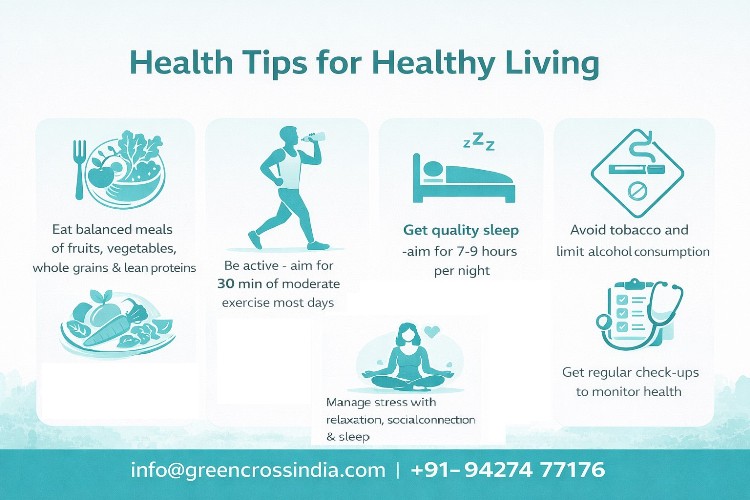
Health Tips for Healthy Living: Simple, Science-Backed Ways to Live Better Every Day
Healthy living is not about perfection or extreme routines. It’s about making consistent, realistic choices that support both physical and mental well-being over time. These health tips for healthy living are designed to help you understand what truly matters, what to focus on daily, and what habits quietly shape long-term health.
This article is meant to inform and guide, not overwhelm. It highlights proven lifestyle principles supported by medical and public health research, while also pointing out habits worth avoiding.
What Does “Healthy Living” Really Mean?
For most people, healthy living means maintaining balance—between body and mind, work and rest, effort and recovery. Physical health and mental health are deeply connected. Poor sleep, stress, inactivity, or unhealthy eating patterns don’t affect just one system; they influence the entire body.
That’s why the most effective healthy way of living addresses:
- Nutrition
- Physical activity
- Mental and emotional health
- Risk-reduction behaviors
Together, these create a foundation for long-term wellness rather than short-term fixes.
Nutrition: The Foundation of Good Health
Humans need food for growth, repair, and daily function—but nutritional needs change with age, lifestyle, and health conditions. While there is no “perfect” diet, research consistently shows that balanced, mindful eating supports better health outcomes.
Practical Eating Tips for Daily Life
- Eat three regular meals a day—breakfast, lunch, and dinner. Dinner does not need to be the largest meal.
- Build most meals around fruits, vegetables, whole grains, and legumes.
- Choose lean protein sources such as fish, eggs, beans, nuts, and poultry.
- Limit foods high in saturated fat, trans fat, salt, and added sugar.
- Watch portion sizes. Eat until comfortably satisfied, not overly full.
- Snack in moderation. Fruit, nuts, or whole grains are better options than processed snacks.
- Reduce intake of sugary drinks and sodas, which add calories without nutrition.
- Avoid heavy meals close to bedtime to reduce reflux and weight gain.
- Emotional eating doesn’t solve stress, anger, or sadness and can worsen long-term health.
Food safety also matters. Cooking foods thoroughly and washing raw produce reduces exposure to harmful bacteria and pathogens.
Physical Activity: Move the Body You’re Meant to Use
A sedentary lifestyle is one of the strongest contributors to chronic disease. The human body is designed to move, and regular activity supports nearly every system.
Evidence-Based Benefits of Regular Exercise
Research shows that regular physical activity:
- Reduces the risk of heart disease, stroke, diabetes, and high blood pressure
- Improves muscle strength, balance, and bone density
- Supports weight management
- Enhances mood, confidence, and mental health
- Helps older adults maintain independence and reduce fall risk
How to Stay Healthy Through Movement
- Aim for at least 30 minutes of moderate activity most days of the week.
- Walking counts. Consistency matters more than intensity.
- Exercise can be broken into 10-minute sessions.
- Start slowly and increase gradually to avoid injury.
- Strength training, yoga, swimming, and flexibility exercises all have benefits.
- Age is not a barrier—people in their 70s and 80s still benefit from safe exercise.
For children, outdoor play and sports encourage lifelong healthy habits, though overuse injuries should be avoided.
Healthy Living Tips for Men and Women
While the basics of health apply to everyone, men and women may face different risks at different life stages.
Healthy Living Tips for Men
- Monitor heart health, blood pressure, and cholesterol regularly
- Stay physically active to preserve muscle mass with age
- Manage stress rather than ignoring it
- Avoid tobacco and limit alcohol intake
- Use Wellness Nutritional Supplements For Men
Healthy Living Tips for Women
- Pay attention to bone health, especially after midlife
- Balance nutrition during pregnancy, breastfeeding, and menopause
- Prioritize mental health and sleep
- Attend regular health screenings
- Use Natural Herbal Women Tonic Capsules
These tips for good health support prevention, not just treatment.
Avoid Tobacco: One of the Most Important Health Decisions
Tobacco use remains one of the leading preventable causes of disease and death worldwide. Smoking and chewing tobacco significantly increase the risk of heart disease, lung disease, stroke, and multiple cancers.
Stopping tobacco use—even later in life—reduces health risks and improves quality of life over time.
Alcohol: Moderation Matters
Chronic excessive alcohol intake is strongly linked to liver disease, accidents, and long-term health complications. Research consistently shows that limiting alcohol intake lowers the risk of liver damage, injury, and certain cancers.
Healthy living includes understanding limits—and knowing when to avoid alcohol altogether.
Reducing High-Risk Behaviors
High-risk behaviors, including unsafe sexual practices, increase the likelihood of infections and long-term complications. Protecting health means making informed, responsible choices that reduce preventable risks.
Mental and Emotional Well-Being: Often Overlooked, Always Important
Mental health is not separate from physical health. Chronic stress, anxiety, and lack of sleep can weaken immunity, disrupt hormones, and worsen chronic conditions.
Simple practices that support mental health include:
- Consistent sleep routines
- Regular physical activity
- Social connection
- Seeking professional help when needed
Learning how to stay healthy means caring for the mind as much as the body.
Role of Nutritional Support (When Needed)
In certain situations—nutritional deficiencies, aging, or increased physical demand—nutritional supplementation may be recommended by healthcare or nutrition professionals. These are meant to support, not replace, a balanced diet.
Any supplement use should be guided by qualified medical or nutritional advice.
Summary
Healthy living is not about doing everything at once. It’s about making small, informed choices consistently. Eating well, moving regularly, avoiding harmful habits, and supporting mental health together create a lifestyle that promotes longevity and quality of life.
These health tips for healthy living are rooted in research, practicality, and long-term sustainability—not trends or quick fixes.
Frequently Asked Questions
1. What does healthy living actually include?
Healthy living is not about following a strict routine or being perfect every day. It generally includes eating balanced meals, staying physically active, getting enough sleep, managing stress, and avoiding harmful habits like tobacco use. When these areas work together, both physical and mental health tend to improve over time.
2. How can someone stay healthy with a busy lifestyle?
Staying healthy doesn’t require long workouts or complicated diets. Simple habits—such as walking regularly, eating home-cooked meals more often, drinking enough water, and maintaining a consistent sleep schedule—can support good health even with a busy routine.
3. Is regular exercise necessary if someone feels healthy?
Yes. Even if a person feels healthy, regular physical activity helps maintain muscle strength, heart health, and mobility as they age. Exercise also supports mental well-being and reduces the risk of chronic conditions that may not show symptoms early on.
4. Are healthy living tips different for men and women?
The basics of healthy living are similar for everyone, but nutritional needs, hormonal changes, and health risks can differ between men and women at different life stages. Regular health check-ups and lifestyle adjustments help address these differences more effectively.
5. Can small lifestyle changes really make a difference?
Small changes often have the biggest long-term impact. Choosing healthier foods, reducing sitting time, improving sleep habits, or managing stress better can gradually improve energy levels, digestion, and overall quality of life without feeling overwhelming.
Disclaimer
This content is for informational purposes only and does not constitute medical advice, diagnosis, or treatment. Always consult a qualified healthcare professional before making changes to your diet, lifestyle, or health routine.