Ayurveda treats osteoarthritis naturally with herbs, diet, and therapies. Safe, effective solutions for joint pain without surgery.
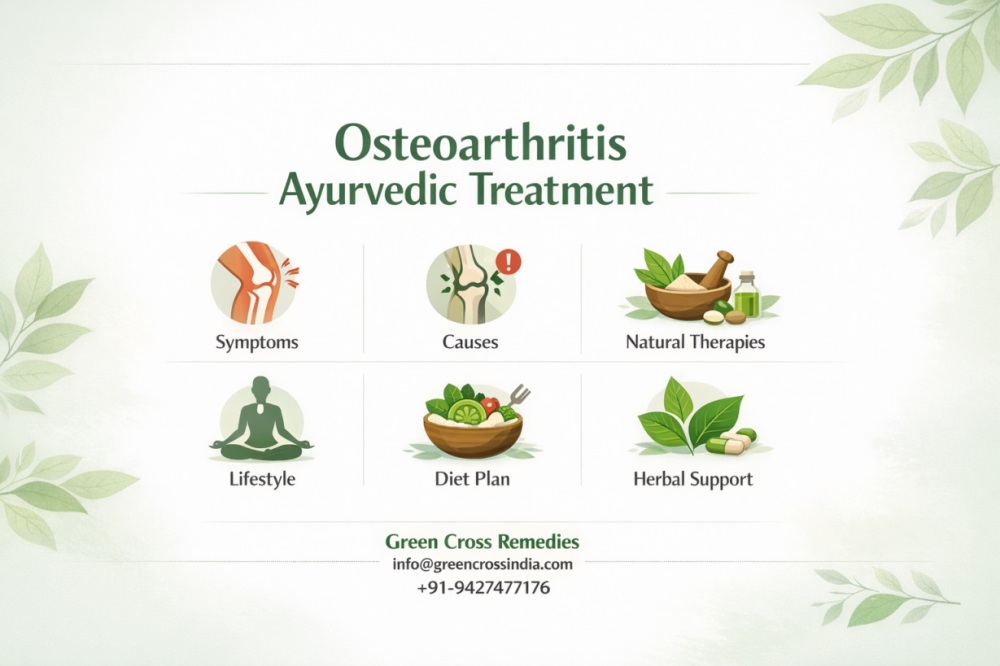
Osteoarthritis Ayurvedic Treatment for Natural Joint Pain Relief
Osteoarthritis Ayurvedic treatment - Total Information Osteoarthritis like Symptoms, Cause, Diat plan, Herbal Medicines, Yoga, Lifestyle tips etc...
Osteoarthritis affects millions of people worldwide, causing chronic joint pain and reduced mobility that can gradually interfere with everyday life. Simple activities like climbing stairs, walking long distances, or even opening a jar may become uncomfortable. While conventional treatment often focuses on painkillers or surgical options, many people today are exploring more natural and sustainable approaches.
Osteoarthritis Ayurvedic treatment offers a gentle, holistic path that aims to correct the root causes of joint degeneration rather than just suppress symptoms. Ayurveda, the ancient Indian system of medicine, has been used for thousands of years to manage joint disorders through herbal formulations, specialized therapies, dietary guidance, and lifestyle adjustments. This time-tested approach helps reduce pain and inflammation while supporting long-term joint health without the side effects associated with long-term medication use.
What is Osteoarthritis?
Osteoarthritis is a degenerative joint condition in which the protective cartilage that covers the ends of bones gradually wears down. Cartilage acts as a cushion and allows smooth movement between bones. When it starts to deteriorate, bones rub against each other, causing pain, stiffness, and reduced flexibility.
The condition usually develops slowly over time. At first, cartilage becomes softer and less elastic. As the disease progresses, the cartilage thins, and the joint space narrows. In advanced stages, the body may form bone spurs in an attempt to repair the damage, which can further restrict movement.
Unlike rheumatoid arthritis, which is an autoimmune disorder affecting multiple joints and organs, osteoarthritis is mainly a mechanical wear-and-tear condition. It is most commonly seen in weight-bearing joints such as the knees, hips, and spine, although it can also affect the hands and smaller joints.
Common Osteoarthritis Symptoms
Osteoarthritis symptoms usually develop gradually and become more noticeable over time.
Joint pain is the most common symptom. It often worsens with activity and improves with rest. In later stages, the pain may persist even during sleep.
Stiffness is particularly noticeable in the morning or after periods of inactivity. This stiffness usually improves within 20–30 minutes of gentle movement.
Swelling may occur around the affected joints due to inflammation or fluid accumulation. The joint may feel warm or appear slightly enlarged.
Reduced mobility develops as the condition progresses. Simple tasks like bending, climbing stairs, or gripping objects may become difficult. Many people also notice a grinding or clicking sensation during movement.
Causes of Osteoarthritis
Several factors contribute to the development of osteoarthritis.
Aging
As the body ages, cartilage loses its elasticity, and the natural repair process slows down. This increases the risk of joint degeneration.
Obesity
Excess body weight places additional stress on weight-bearing joints. Even a small increase in weight can significantly raise pressure on the knees and hips.
Joint Injury
Past injuries from sports, accidents, or repetitive strain can damage cartilage and increase the likelihood of osteoarthritis later in life.
Genetic Factors
Osteoarthritis often runs in families. Certain inherited traits related to bone and cartilage structure may increase susceptibility.
Lifestyle Habits
Poor posture, lack of physical activity, repetitive movements, and an inflammatory diet all contribute to joint degeneration over time.
How Ayurveda Treats Osteoarthritis
Ayurveda approaches osteoarthritis differently from modern medicine. Instead of focusing only on pain relief, it aims to restore balance within the body.
In Ayurvedic theory, osteoarthritis is primarily associated with a Vata imbalance. Vata governs movement, circulation, and lubrication in the body. When Vata becomes aggravated, it causes dryness, stiffness, and degeneration in the joints.
Natural Healing Approach
Ayurvedic treatment focuses on:
· Reducing inflammation
· Improving joint lubrication
· Strengthening bones and cartilage
· Restoring dosha balance
Holistic Treatment Methods
· Herbal formulations
· External oil therapies
· Detoxification procedures
· Diet and lifestyle adjustments
Panchakarma Therapies
Panchakarma is Ayurveda’s traditional detoxification and rejuvenation system.
Abhyanga (Oil Massage)
This therapy involves massaging warm herbal oil into the body. It improves circulation, reduces stiffness, and lubricates dry joints.
Basti (Medicated Enema)
Basti is considered the most effective treatment for Vata disorders. It helps eliminate toxins and nourishes joints from within.
Swedana (Steam Therapy)
Herbal steam therapy helps reduce stiffness, improves circulation, and allows medicated oils to penetrate deeper into tissues.
Diet Plan for Osteoarthritis in Ayurveda
Diet plays a crucial role in managing osteoarthritis. Ayurveda recommends foods that reduce inflammation and balance Vata.
Foods to Eat
· Warm, cooked meals
· Whole grains like rice and oats
· Healthy fats such as ghee and sesame oil
· Cooked vegetables, especially root vegetables
· Warming spices like ginger, turmeric, and cumin
· Herbal teas
Foods to Avoid
· Cold or refrigerated foods
· Processed snacks
· Excess sugar and salt
· Fried foods
· Excess caffeine and alcohol
Anti-Inflammatory Diet Tips
· Start the day with warm water
· Eat meals at regular times
· Use turmeric daily
· Stay hydrated with warm fluids
· Prefer fresh, home-cooked meals
Lifestyle Tips to Reduce Joint Pain
Daily habits play a major role in joint health.
Daily Routine (Dinacharya)
· Wake up early
· Follow regular meal times
· Practice daily oil massage
· Engage in gentle morning movement
· Sleep before 10 p.m.
Weight Management
Maintaining a healthy weight reduces pressure on joints and slows degeneration.
Posture Correction
Proper sitting, standing, and lifting posture reduces unnecessary stress on joints.
Stress Management
Meditation, breathing exercises, and time in nature help balance Vata and reduce inflammation.
Best Exercises for Osteoarthritis
Regular, gentle exercise helps maintain joint function and flexibility.
Low-Impact Exercises
· Swimming
· Cycling
· Water aerobics
· Elliptical workouts
Stretching Routines
Gentle stretching improves range of motion and reduces stiffness.
Walking and Yoga
Daily walking and gentle yoga strengthen muscles around joints and improve flexibility.
Benefits of Ayurvedic Treatment for Osteoarthritis
Natural and Safe
Uses herbal medicines with minimal side effects.
No Surgery
Provides a non-surgical approach in early and moderate stages.
Long-Term Joint Health
Addresses the root cause rather than just symptoms.
Improves Mobility
Reduces stiffness and supports better joint function.
When to Start Ayurvedic Treatment
Early Symptoms
Starting treatment early can prevent further joint damage.
Chronic Pain Cases
Even long-standing osteoarthritis can be managed naturally.
Preventive Care
Ideal for people with family history or physically demanding lifestyles.
Frequently Asked Questions (FAQ)
Can Ayurveda cure osteoarthritis permanently?
Ayurveda may not regrow severely damaged cartilage, but it can reduce symptoms, improve mobility, and slow progression.
How long does Ayurvedic treatment take?
Some improvement may appear within a few weeks, while long-term benefits usually develop over several months.
Is Panchakarma safe for elderly patients?
Yes, when performed under professional supervision and tailored to the individual’s health condition.
Which herbs are best for joint pain?
Shallaki, Guggulu, Ashwagandha, Nirgundi, and Rasna are commonly used in Ayurvedic joint care.
Best Ayurvedic Medicines for Osteoarthritis
Herbal formulations play a central role in osteoarthritis management. These formulations work to reduce inflammation, improve lubrication, and support cartilage health.
Key Ayurvedic Herbs Used
- Shallaki (Boswellia): Helps reduce inflammation and joint pain.
- Guggulu: Supports joint cleansing and flexibility.
- Ashwagandha: Strengthens muscles and reduces stress-related inflammation.
- Nirgundi: Known for its natural pain-relieving properties.
- Rasna: Traditionally used for chronic joint discomfort.
Recommended Ayurvedic Medicines
- Bonsty MR Capsule – Shallaki 400 mg (Salai Guggal),Dudhio Vachhanag 10 mg (Langali)- Supports joint comfort and mobility.
- Accuvas Sofgelatin Capsule – Garlic Oil A.B 0.25 % w/w - Supports joint comfort and mobility.
- Ayu Lins Capsule – Yograj Guggulu, Maharasnadi kwath, Rasnadi guggulu, Swarna bhasma, Lakshadi guggulu, Shilajit, Ashwagandha, Bala Seed, Gokshur, Punarnava, Shallaki, Methi Seed, Rasana Leaf, Nirgundi, Parijat Leaf- Helps maintain long-term joint health.
- Bonsty XL Capsule – Hadsakhal (Vitis Quadrangularis) 500 mg (Hadjod) - Advanced formula for Healing Fracture
- Gokshura Powder – Gokshura (Tribulus Terrestris) Fruit Α.Β 100% (Gokhru Powder) - Supports tissue nourishment and fluid balance. ReFual Cartiladge.
Ayurvedic Oils for Joint Pain
External oil application is an important part of Ayurvedic joint care. Warm herbal oils help reduce stiffness, improve circulation, and nourish joint tissues.
- Lins Plus Pain Relief Oil Roll-On – Convenient application for quick relief.
- Lins Plus Pain Relief Oil – Traditional massage oil for deeper relief.
- Lins Oil – Devdaru Oil, Mahanarayan Oil, Gandhpura Oil, Kapoor, Nilgiri Oil, Ajwain, Phudina, Mahavishgarbh Oil, Nirgundi, Clove, Taj Capsicum, Lemon Grass, Castor, Sarsav Oil - Daily use oil for joint and muscle discomfort.
Osteoarthritis Treatment in Ayurveda: A Natural Path Forward
Living with osteoarthritis does not mean accepting constant pain or waiting for surgery. The Ayurvedic approach offers a comprehensive, natural path to better joint health. By combining herbal remedies, diet changes, lifestyle improvements, and gentle therapies, it is possible to reduce discomfort and maintain mobility.
Whether you are experiencing early osteoarthritis symptoms or managing knee osteoarthritis for years, adopting Ayurvedic principles can make a meaningful difference. With patience and consistency, many people find that natural treatments provide lasting relief and improved quality of life.
The journey toward healthier joints often begins with small, steady changes. Warm foods, gentle exercise, regular oil massage, and herbal support can gradually restore comfort and mobility, helping you move through life with greater ease.
Disclaimer
This information is intended for registered medical practitioners, hospitals, pharmaceutical field staff, and pharmacies only.
These products are not intended to diagnose, treat, cure, or prevent any disease. It is formulated to support general health, vitality, and wellness.